
 English
 العربية
 Français
 Deutsch
 Español
 русский
 हिंदी
 اردو

 Login
World Bank Projects 32 Percent Surge in Global Energy Prices This Year
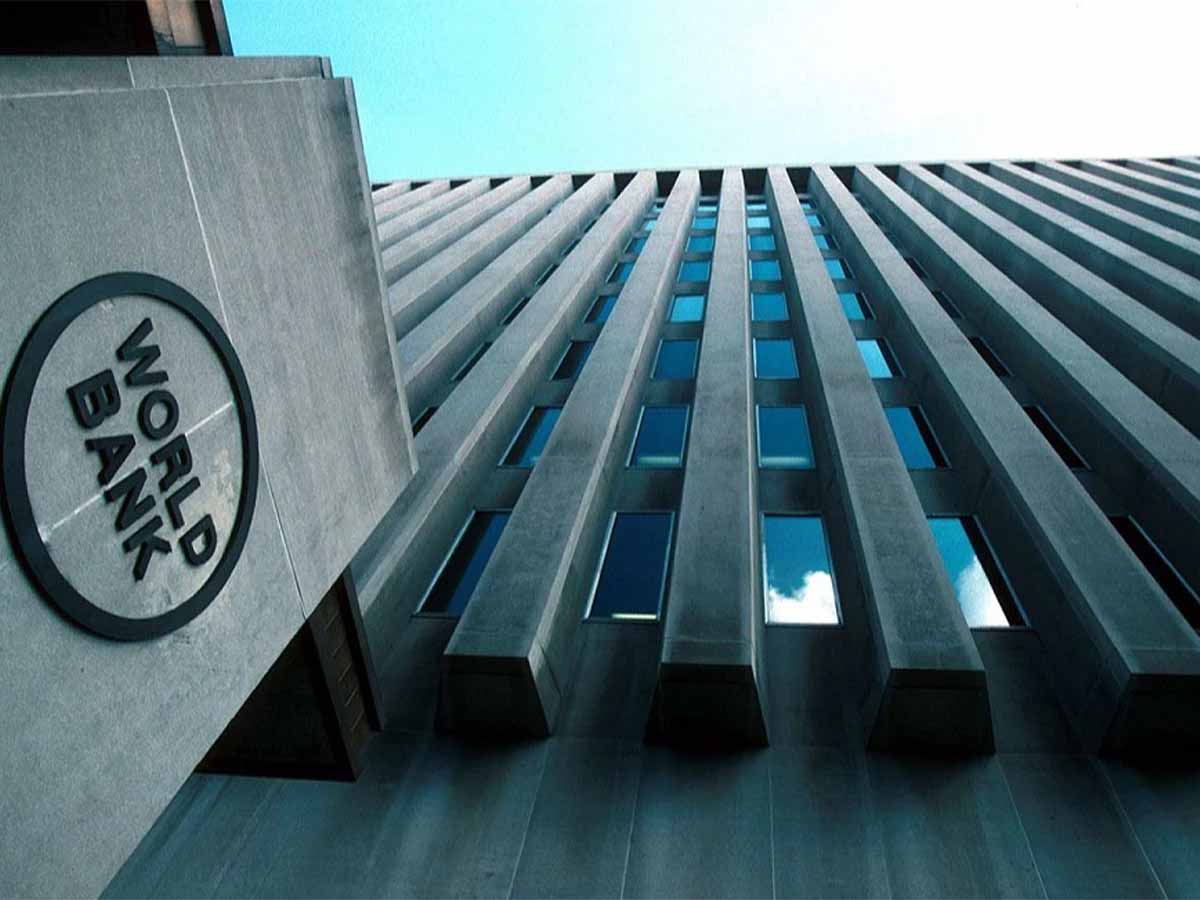
Washington, October 29 (QNA) - The World Bank has projected a 32 percent increase in global energy prices this year, alongside a 23 percent rise in overall global commodity prices, driven primarily by soaring energy costs, cargo shipping disruptions resulting from the ongoing conflict in the Middle East, and disruptions to grain shipments across the Black Sea.
In a report released today on commodity market prospects, the Bank noted that prices for oil, natural gas, food, and metals have surged sharply this year as global crises intensify, explaining that pressures could mount further should the Middle East conflict escalate and damage to Russian oil infrastructure persist.
The Bank forecasted a 7 percent decline in commodity prices next year, though ongoing shocks, including projections that the El Niño weather phenomenon will register its strongest impact since 1950, could keep food prices elevated, fueling concerns over rising inflation and the tightening of monetary policies.
The report highlighted that the global economy has become increasingly vulnerable to future supply shocks amid the depletion of global oil inventories during the Middle East war, projecting a 5.2 percent contraction in global oil supply in 2026, marking the largest drop in four decades outside of the 2020 global recession.
Detailing its response, the Bank noted it has already provided concessional loans and financial assistance totaling USD 8.7 billion to 25 countries impacted by the Middle East conflict, encompassing 10 nations that redirected existing programs to cover crisis-induced expenses, 19 nations that tapped into new resources, and some that utilized both pathways.
Amid declining oil production, the Bank expects Brent crude prices to remain elevated in the near term, averaging USD 92 per barrel this year, while pointing out that prices would have reached even higher levels had it not been for expectations of a 2.5 percent drop in global oil demand, the third-largest decline of its kind, following drops recorded during the COVID-19 pandemic shock in 2020 and the 1980 oil crisis.
Furthermore, food commodity prices are projected to rise by slightly over 10 percent in 2026 as a result of grain shipping disruptions stemming from the Russia-Ukraine conflict in the Black Sea region, with a further increase of more than 7 percent anticipated in 2027, bringing cumulative growth to approximately 18 percent.
The Bank warned that food prices could climb 12 percent above baseline projections under a downside scenario that combines the peak intensity of the El Niño phenomenon, compounded Black Sea grain shipping disruptions, an escalation of the Middle East conflict, and sustained damage to Russian oil infrastructure.
Such factors, the Bank cautioned, could trigger a global food crisis reminiscent of the one witnessed in the early 2010s, which pushed more than 40 million additional people into extreme poverty. (QNA)


Hello! How can we help?


