
 English
 العربية
 Français
 Deutsch
 Español
 русский
 हिंदी
हिंदी اردو
اردو
 Login
LoginWMO Calls for Cities to Gird for Record-Breaking Heat
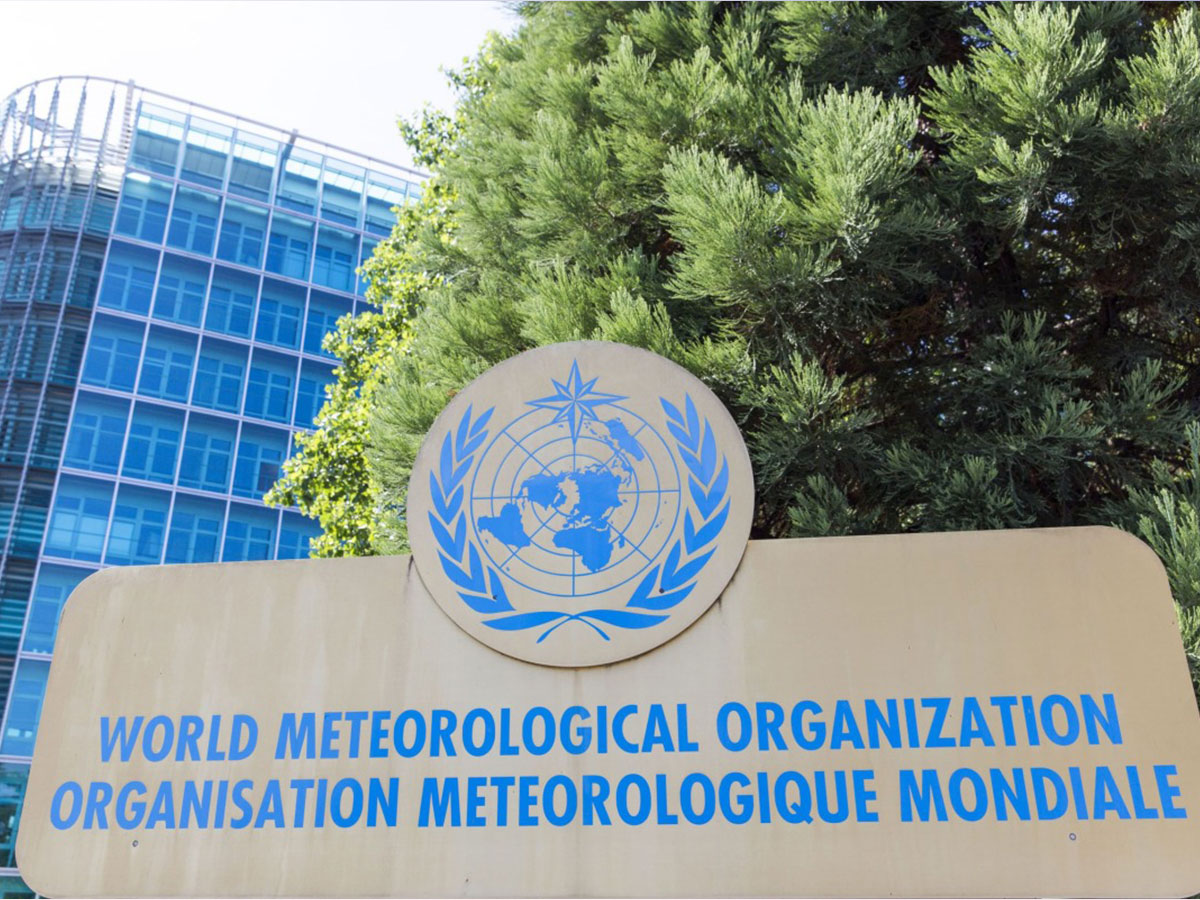
Geneva, September 23 (QNA) - El Nino could increase the likelihood of record-breaking temperatures, and strengthening cities' preparedness for extreme heat matters most, the World Meteorological Organization (WMO) warned in a report issued Tuesday.
It stressed that El Nino's effects can extend across heat-affected areas to homes, workplaces, schools and hospitals.
The report highlighted that this phenomenon begins with rising temperatures in the tropical Pacific, but its consequences are not confined to the Pacific.
The phenomenon can alter rainfall patterns, while its effects vary by region and season and according to how it interacts with other climate factors.
WMO Secretary-General Prof. Celeste Saulo said El Nino comes at a time when the planet is already reeling from spiking temperatures, noting that the WMO's State of the Global Climate 2025 report confirmed that the past seven years were the hottest on record and that the world had experienced record-breaking heatwaves across the globe in just the past two months.
She added that there is no precedent for El Nino under the climate conditions prevailing today, warning that it is strengthening rapidly, with WMO forecasts indicating an almost certain likelihood that it will persist through February 2027.
The phenomenon is expected to intensify toward the end of this year, reaching its highest level on record since 1950, Saulo stressed, stating that there is a need for precision in assessing the phenomenon's impacts.
She explained that El Nino changes probabilities but does not determine the weather in every city or cause every heatwave. Its effects vary by region and season and according to how it interacts with other climate factors.
She said WMO Regional Climate Centres and National Meteorological and Hydrological Services must turn global forecasts into actionable information that cities and communities can use. They should also coordinate and act before temperatures reach dangerous levels.
Saulo added that meteorological services, health authorities, emergency managers, utilities and community organizations should agree in advance on three things: what minimum forecast threshold will trigger action, who will take that action, and who must be reached first.
She explained that in densely populated cities, buildings and roads absorb heat during the day and release it slowly at night. This can leave older people, children, outdoor workers, people with chronic illnesses and residents of poorly ventilated housing with little opportunity to recover.
In May 2026, 97 of the world's hottest cities were located in India, where a severe heatwave pushed temperatures above 45°C in many cities. The WMO called for extreme heat to be treated as a foreseeable public health hazard. (QNA)


Hello! How can we help?


