
 English
 العربية
 Français
 Deutsch
 Español
 русский
 हिंदी
हिंदी اردو
اردو
 Login
LoginEgyptian Tourism Ministry Unveils Discoveries Spotlighting Civilizational Magnitude of Marina El Alamein
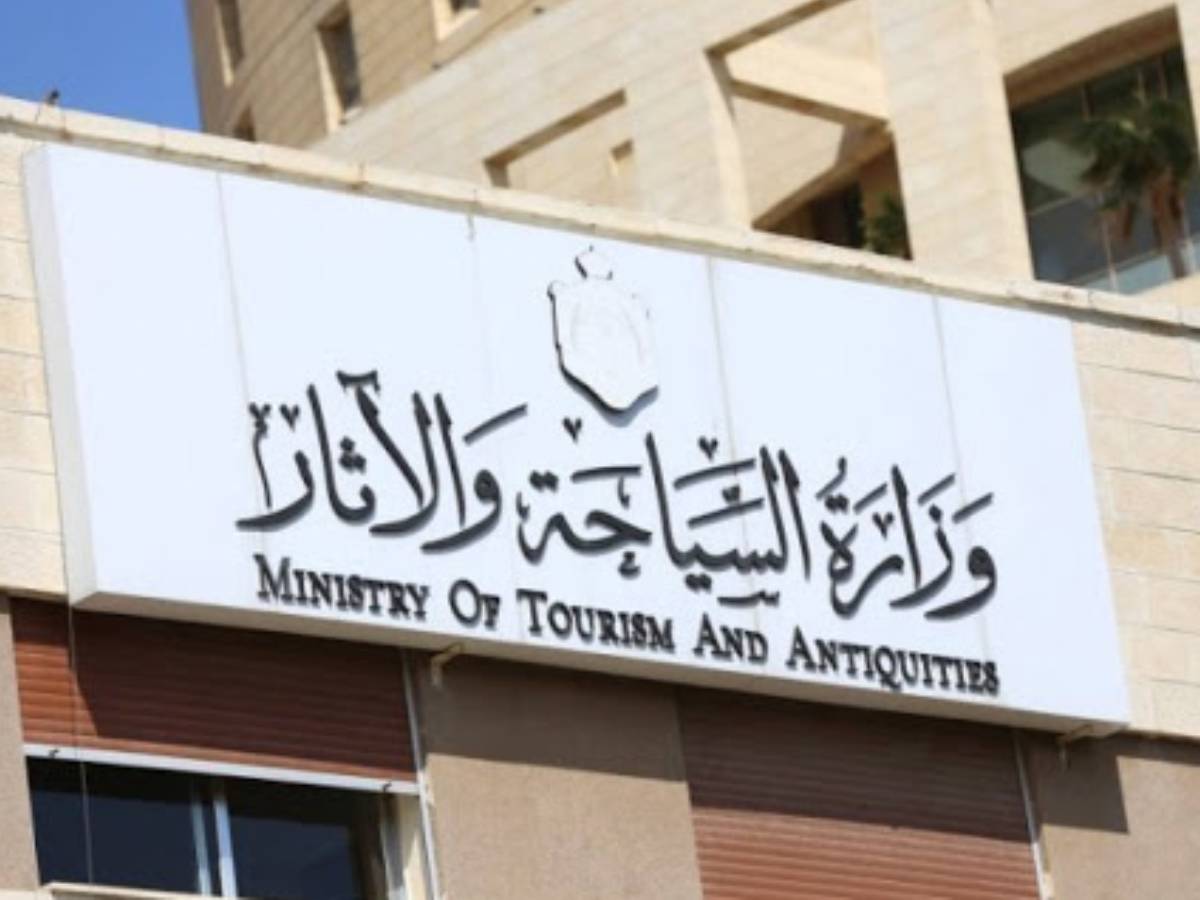
Cairo, July 04 (QNA) - The Egyptian Ministry of Tourism and Antiquities announced new discoveries spotlighting the archaeological and civilizational magnitude of the Marina El Alamein archaeological site on Egypt’s northwestern Mediterranean coast.
In a statement on Saturday, the ministry emphasized that this discovery is an important scientific and archaeological addition that helps make sense out of the cultural identity of the inhabitants of the ancient Marina El Alamein city and re-evaluates its historic role as a civilizational and cultural hub connecting Egypt with the Mediterranean world.
A great deal of emphasis is placed on the scientific excavation operations at this site, the statement explained, adding that the site will be opened to visitors as such, thereby adding a new cultural and tourist icon to the coastal tourism for which Egypt’s Mediterranean North Coast is known.
The statement further highlighted that the discovery includes 18 archaeological tombs, along with a number of surface burials, sarcophagi, and archaeological finds at this site.
It noted that the discovered tombs include 11 fully rock-cut tombs (hypogea), with an average depth of eight meters, in addition to seven surface tombs built from limestone.
Some of the tombs are meticulously preserved, as sealed burial openings were found inside them, covered with stone slabs that haven’t been opened since ancient times, the statement continued.
It noted that the discovery of numerous surface burials in the vicinity of the tombs suggests the social diversity of the city’s inhabitants, as a water well has also been discovered that was later repurposed for burial use.
This discovery, the statement reads, is a clear example of the continued influence of ancient Egyptian traditions in funerary architecture during the Ptolemaic and Roman periods, while excavation works also yielded an outstanding collection of archaeological finds.
As such, the finds included complete and semi-complete pottery vessels, amphorae, oil lamps, plates, limestone altars and basins, along with a number of architectural elements associated with the tombs.
This discovery also included a granite sarcophagus measuring 2.5 meters in length, with its original lid still in place, containing skeletal remains that are currently under study, alongside remains of a plaster sphinx statue which were discovered nearby, along with 24 gold artifacts.
El Alamein is believed to correspond to the ancient city of Leukaspis (also identified with Antiphrai) mentioned by the Greek geographer Strabo.
The city flourished from the Hellenistic period through the Byzantine era, reaching its peak urban and economic development during the first three centuries AD. (QNA)


Hello! How can we help?


