 English
 العربية
 Français
 Deutsch
 Español
 русский
 हिंदी
 اردو

 Login

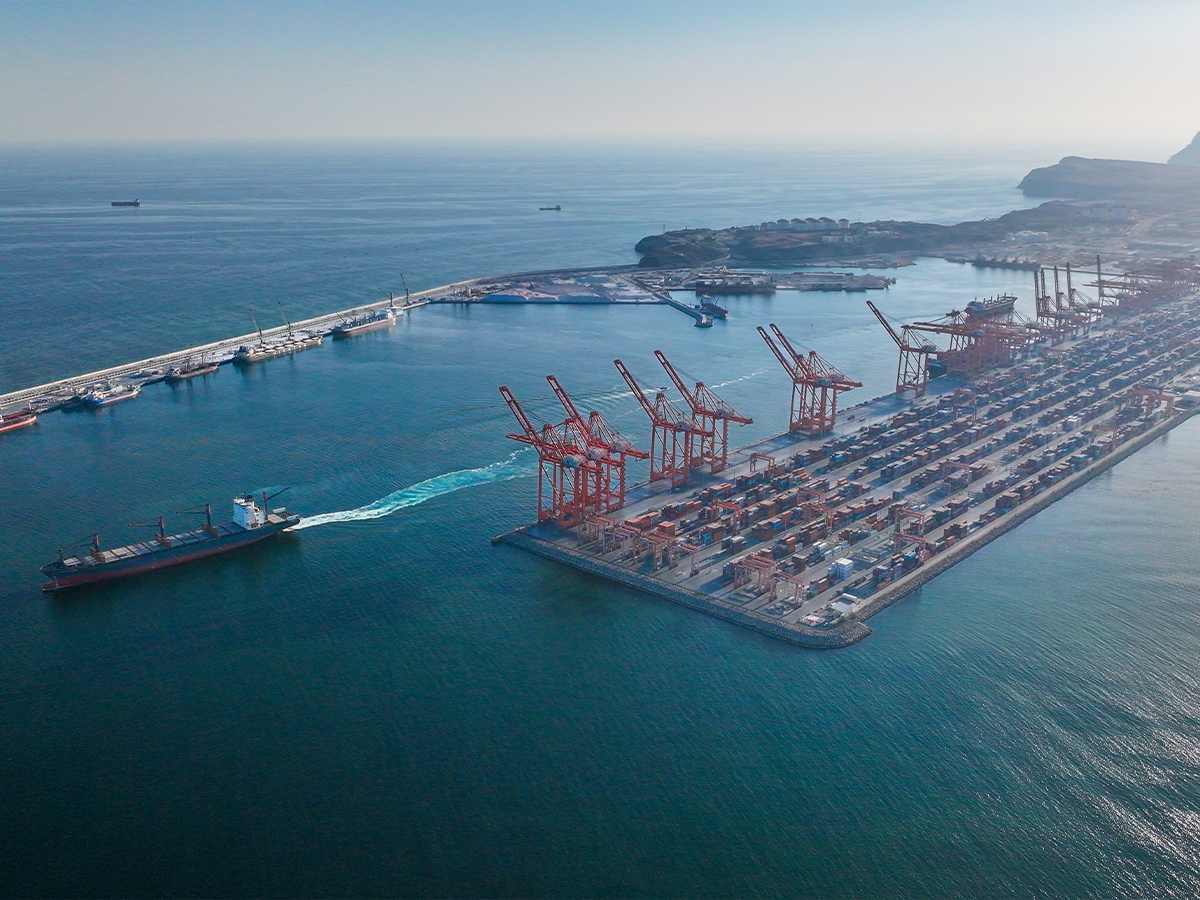
In the trade and logistics sector, cargo volumes at the Port of Salalah increased by 15 percent, and at the Port of Sohar by 52 percent, during the first half of 2026. This reflects growing logistics activity and underscores the importance of Omani ports in supporting regional and international trade, as well as in diversifying sources of national income.
On the social front, the 2026 general state budget allocated approximately 614 million Omani Rials to the social protection system. This includes provisions to subsidize electricity, water, transportation, food commodities, and petroleum products—thereby providing a social safety net and helping to alleviate the cost-of-living burden on citizens.
Between January of this year and October 10, 2026, the Sultanate of Oman witnessed the inauguration of various development, service, and investment projects. Furthermore, new projects were announced, and foundation stones were laid for others, all as part of ongoing efforts to develop infrastructure, enhance public services, advance economic sectors, and expand investment opportunities across the various governorates.
In the industrial sector, efforts continued toward localizing industries and increasing the value-added to local resources through projects located in industrial cities, economic zones, and free zones. These initiatives encompass chemical, food, and manufacturing industries. Notably, the first phase of a wind turbine manufacturing project was launched in the Special Economic Zone at Duqm, with an investment exceeding 70 million Omani Rials and an annual production capacity of up to 1,000 megawatts.
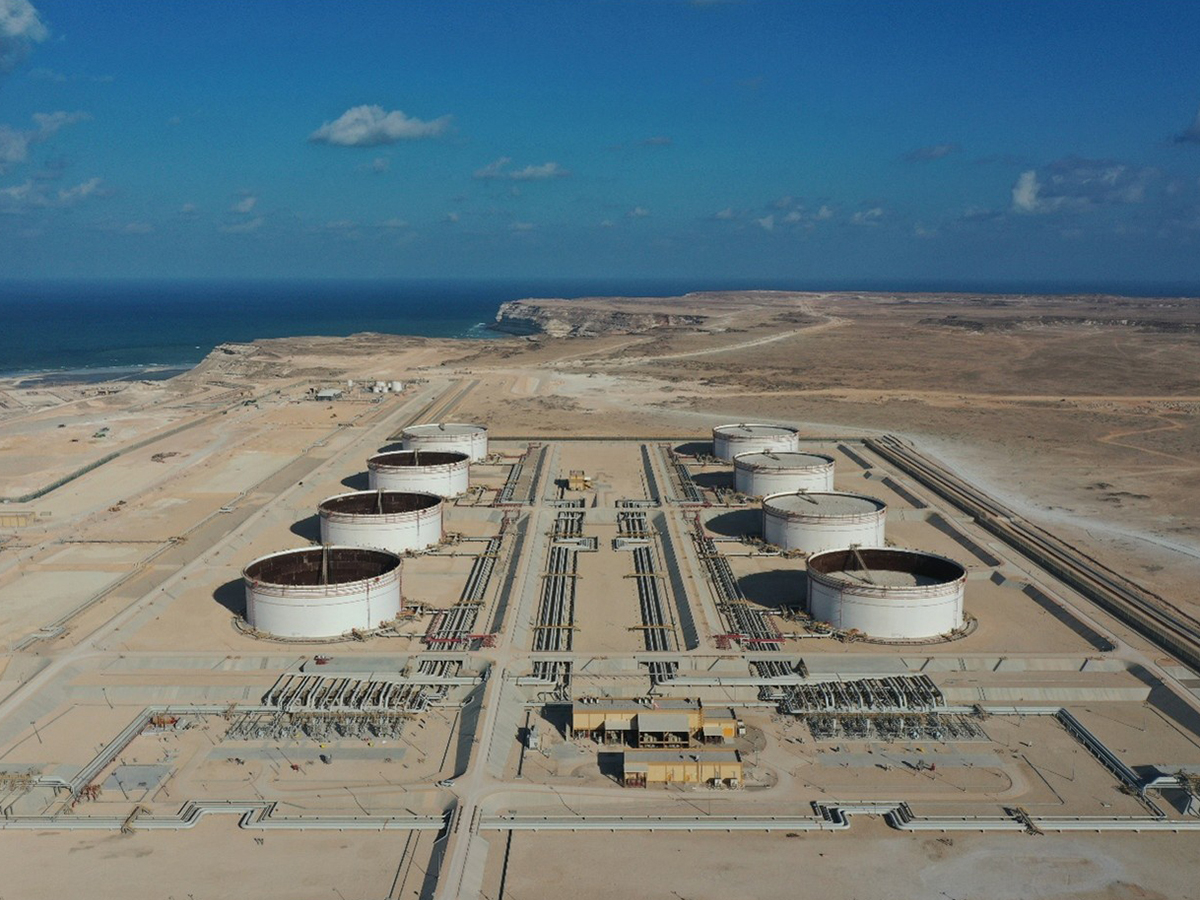
Furthermore, the Special Economic Zone at Duqm saw the implementation of infrastructure development projects, including the opening of a 51-kilometer dual-carriageway connecting Duqm Airport to the crude oil storage tanks at Ras Markaz.
Empowering the national workforce and creating job opportunities serve as key pillars of development and a central focus in building a sustainable economy centered on the Omani people. By the end of September 2026, the Ministry of Labour had secured 53,525 opportunities—encompassing direct employment, job replacement, and training linked to employment—achieving 89 percent of its annual target. This figure reflects the significant efforts dedicated to expanding horizons for national talent and equipping them to contribute across various economic sectors.
In the realm of innovation and competitiveness, the Sultanate of Oman has made progress in the innovation inputs pillar of the 2026 Global Innovation Index (GII). Oman climbed eight places to reach 47th globally, up from 55th the previous year. In the overall GII ranking—published annually by the World Intellectual Property Organization (WIPO) and covering 139 economies worldwide—Oman maintained its position at 69th globally.
The report’s findings indicate that, within the overall index, 15 of Oman’s sub-indicators rank among the top 40 globally. Specifically, the Sultanate secured 9th place worldwide for net foreign direct investment (FDI) inflows as a percentage of GDP, 14th place for the development of specialized clusters, and 16th place for electricity production per million inhabitants. These results underscore the Sultanate’s inherent strengths, policies, and programs that foster and support innovation.
In the realm of foreign policy and international relations, 2026 witnessed notable diplomatic activity through the overseas visits of HM Sultan Haitham bin Tariq to several countries across Europe, Asia, and Africa. These visits reflected the Sultanate’s commitment to strengthening its international relations, expanding cooperation in the political, economic, investment, and cultural spheres, forging new partnerships with friendly nations, and enhancing its presence and role within both its regional and international environment.
Furthermore, in reaffirming the core tenets of its foreign policy, the Sultanate of Oman—in its address to the 81st session of the United Nations General Assembly in New York—emphasized an approach rooted in the principles of good neighborliness, respect for the sovereignty and independence of states, non-interference in the internal affairs of others, and adherence to international law and the UN Charter. This underscores the Sultanate’s dedication to fostering relations based on mutual respect and constructive cooperation, as well as its commitment to contributing to the maintenance of international peace and security.
Amidst regional and international developments, the Sultanate of Oman continues to fulfill its diplomatic role by advocating for dialogue, mutual understanding, restraint, de-escalation, and the containment of crises through political solutions—all with the aim of preserving the region’s security and stability, and sparing its peoples the repercussions of conflict.
The Sultanate of Oman underscores the importance of intensifying regional and international efforts, coordinating with relevant nations and organizations, and supporting initiatives directed toward achieving reconciliation, consolidating stability, and safeguarding the safety of maritime navigation and freedom of passage, in accordance with international law. (QNA)


