
 English
 العربية
 Français
 Deutsch
 Español
 русский
 हिंदी
 اردو

 Login
EU Reshapes Trade Partnerships to Achieve Economic Diversification, QNB Says
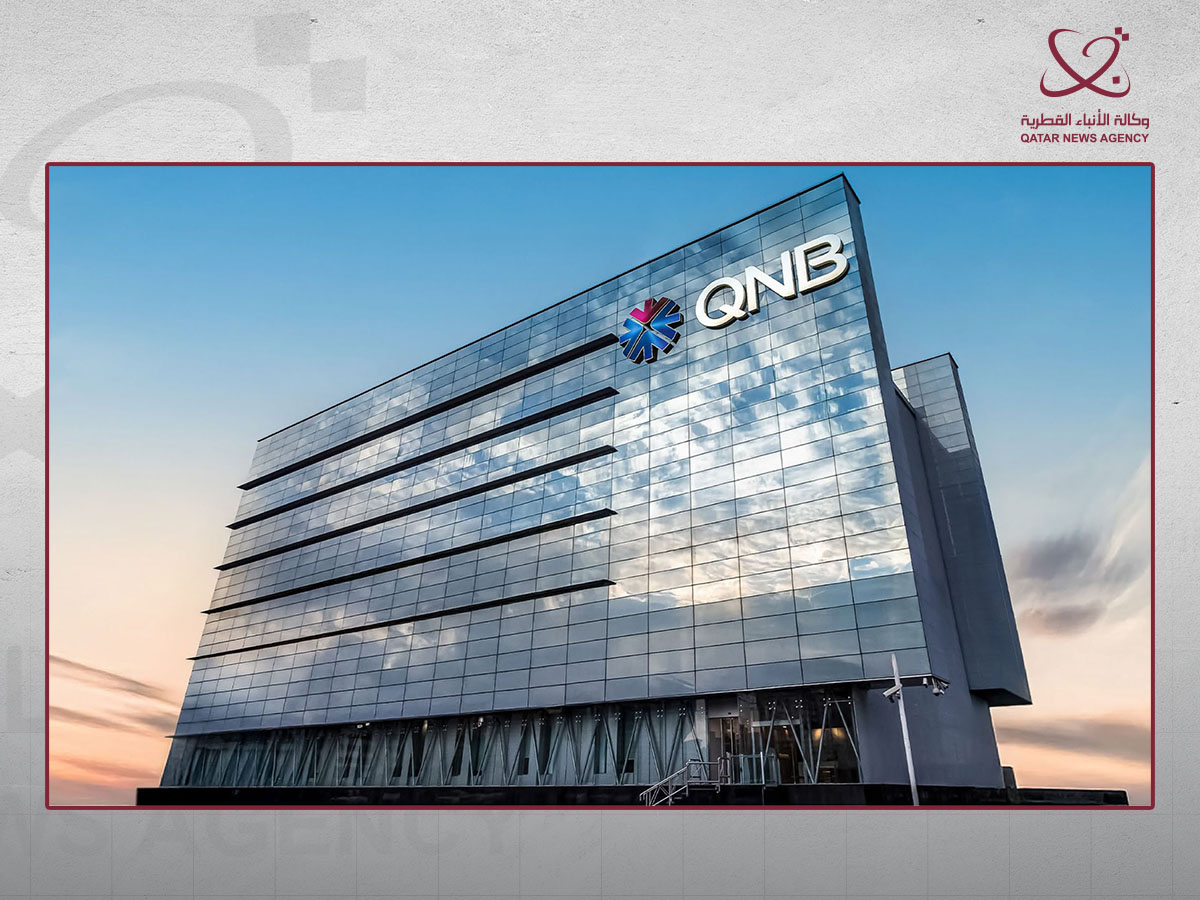
Doha, October 31 (QNA) - The European Union is stepping up efforts to diversify its global trade partnerships amid growing economic uncertainty and declining reliability of its two largest trading partners, the United States and China, according to a report by Qatar National Bank (QNB).
In its weekly report, QNB said new trade agreements with India, the Mercosur bloc, Mexico, Indonesia and Australia would help open new markets for European exports and secure supplies of critical raw materials.
The agreements are expected to gradually strengthen the resilience of the European economy, with the share of EU external trade covered by free trade agreements projected to rise to 53.3 per cent.
The report highlighted growing trade challenges, including a 15 per cent tariff ceiling on most EU exports to the US under a new bilateral trade framework and the bloc's EUR 359.8 billion goods trade deficit with China in 2025.
QNB said the EU was also expanding its engagement with Southeast Asia, with negotiations involving the Philippines, Thailand and Malaysia aimed at strengthening access to one of the world's fastest-growing economic regions.
The bank identified three main objectives behind the EU's trade strategy: reducing dependence on major trading partners, accessing new markets for economic growth and strengthening economic security through more reliable supplies of essential raw materials.
The shift reflects Europe's broader efforts to build a more diversified and resilient trading network in an increasingly fragmented global economy.
In the second part of its weekly report, QNB said China's trade surplus with the EU rose by 24 per cent in the first four months of 2026, as Chinese exporters increasingly redirected shipments towards European markets.
The bank said new trade agreements would help Europe diversify export markets and reduce its exposure to trade disruptions.
A key opportunity lies in the EU-India trade agreement, which provides for substantial tariff reductions on European machinery, chemicals and automobiles. The deal aims to double EU goods exports to India by 2032 and save European businesses around EUR 4 billion annually in customs duties.
Meanwhile, the EU-Mercosur agreement, provisionally implemented in May 2026, is expected to increase the bloc's annual exports by 39 per cent by 2040.
QNB also highlighted the importance of trade partnerships in securing critical raw materials, noting Europe's heavy dependence on China for rare earth elements and related products essential to the automotive, renewable energy and defense industries.
China supplies all of the EU's heavy rare earth element requirements and around 98 per cent of its rare earth magnets, leaving European industries vulnerable to potential supply disruptions.
Agreements with resource-rich partners, including Canada and Indonesia, could help diversify supplies of nickel, cobalt, copper and other strategic materials.
The report concluded that while diversifying supply chains would not eliminate Europe's dependence on China, it would reduce the risks associated with concentrated sources of critical materials. (QNA)


Hello! How can we help?


