
 English
 العربية
 Français
 Deutsch
 Español
 русский
 हिंदी
 اردو

 Login
7th World Forum on Intercultural Dialogue Convenes in Azerbaijan
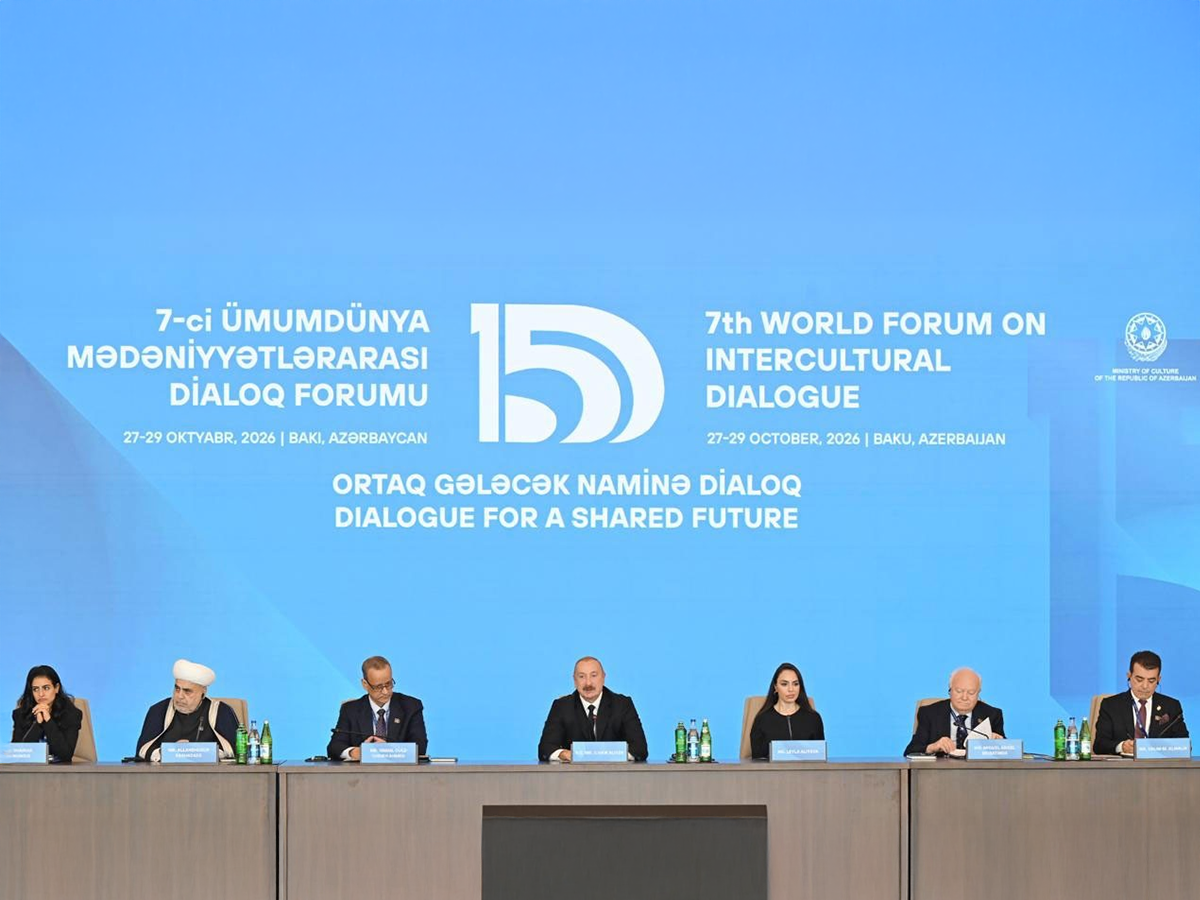
Baku, October 27 (QNA) - The 7th World Forum on Intercultural Dialogue opened Tuesday in Baku, Azerbaijan, bringing together heads of international organizations to debate pressing global challenges and explore ways to build a shared future by bridging divides in an increasingly fractured world. The forum, themed "Dialogue for a Shared Future: Building Bridges in a Fractured World", runs through Oct. 29.
The Islamic World Educational, Scientific and Cultural Organization (ICESCO) is co-organizing the forum in partnership with Azerbaijan's Ministry of Culture, the United Nations Alliance of Civilizations (UNAOC), the United Nations Educational, Scientific and Cultural Organization (UNESCO), and UN Tourism.
Against a backdrop of mounting global challenges and conflicts, the event examines pressing items on the global agenda, with a particular focus on strengthening dialogue among cultures and civilizations and consolidating its role as a linchpin of peace and mutual understanding among nations. Such dialogue is increasingly a sine qua non for navigating a world approaching a critical juncture, where plenty of challenges suggest that sustained engagement is as indispensable as ever.
Addressing the opening session, Director-General of ICESCO Dr. Salim M. AlMalik reaffirmed the organization's commitment to the Baku Process and its vision of dialogue as both a pillar of peace and a leadership responsibility. He said promoting intercultural dialogue should be the foremost priority amid conflicts engulfing the world and their inimical fallout for the global economy, peace and prosperity.
Dr. AlMalik propounded several ICESCO-led initiatives to advance peace, particularly the Peace 360° initiative, the concept of civilizational diplomacy, and the ICESCO Young Ambassadors for Peace network, which assembles almost 300 young leaders from more than 80 nations.
He also highlighted the strategic partnership between ICESCO and Azerbaijan, which encompasses projects to rehabilitate more than 100 schools in Syria, support girls' education in Burkina Faso and Niger, and establish the ICESCO-Azerbaijan Natavan Heritage Excellence Award with the support of the Heydar Aliyev Foundation.
Greater investment in community-based prevention matters more, Dr. AlMalik said, emphasizing the importance of supporting youth-led projects and substantially strengthening teachers' capacity to counter extremist ideologies.
To that end, he advocated launching a one-year pilot project in three member states, alongside mobilizing sustained support for education and heritage in conflict-stricken societies.
Such efforts, he stressed, are essential to addressing the underlying drivers of extremism, reinforcing social resilience and safeguarding the foundations of enduring peace and prosperity. They also suggest that investing in prevention is as consequential as responding to crises after they erupt. (QNA)


Hello! How can we help?


