
 English
 العربية
 Français
 Deutsch
 Español
 Login
LoginUnited Nations: Peacekeeping Missions Continue to Play a Pivotal Role in Global Stability
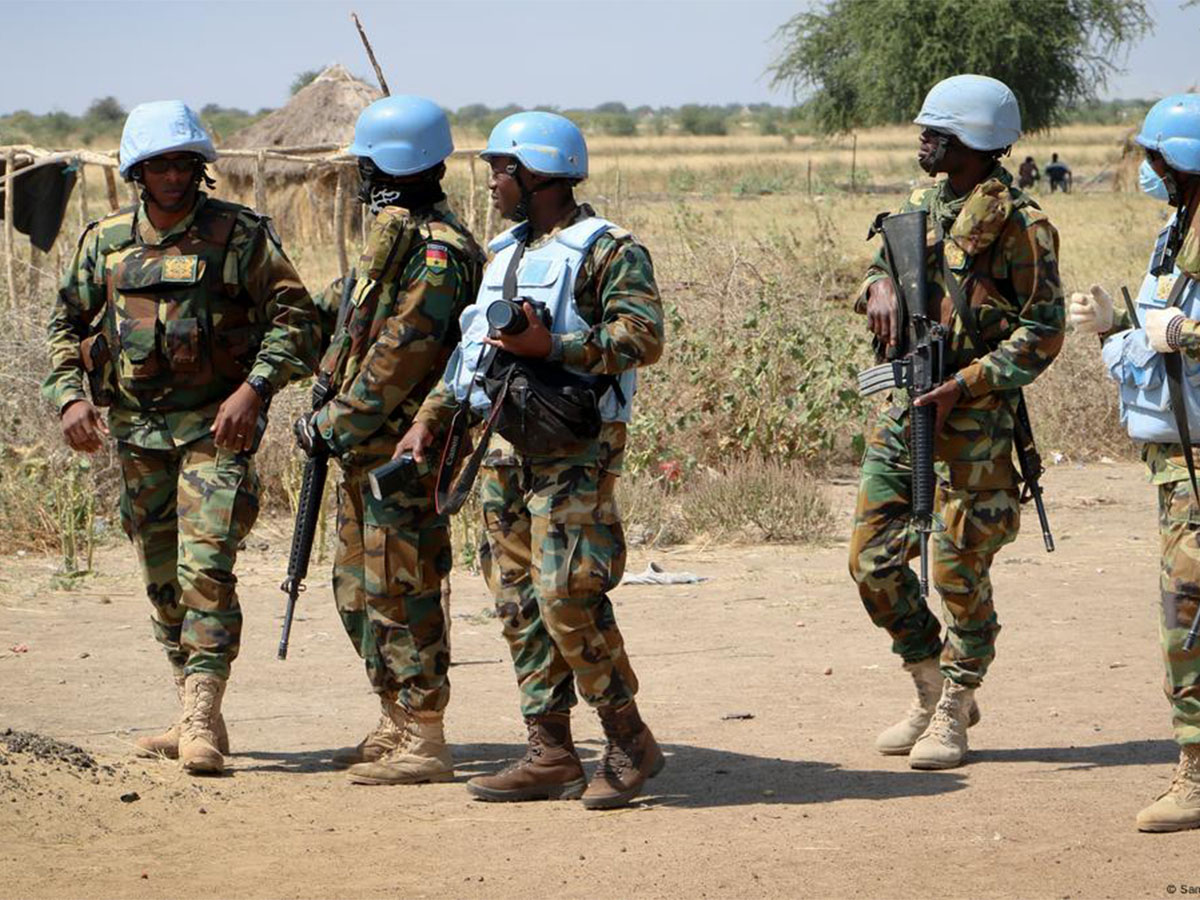
Washington, September 24 (QNA) - Amid escalating armed conflicts and deepening humanitarian crises worldwide, United Nations peacekeeping missions remain a cornerstone of international efforts to promote security and stability. Since the launch of the first mission in 1948, peacekeeping has evolved into one of the global community's most vital tools for crisis response - monitoring ceasefire agreements, protecting civilians, facilitating humanitarian aid, and supporting political transitions.
Currently, the UN oversees 11 active peacekeeping operations across various regions, deploying more than 60,000 military, police, and civilian personnel from 119 countries. This broad participation underscores the collective nature of UN peacekeeping, with nations from every continent contributing to the effort.
In June, the UN General Assembly approved a USD 5.38 billion budget for the 2025-2026 period - a slight decrease from previous years. The reduction reflects the organization's push for greater efficiency and cost control, while maintaining operational effectiveness. According to UN reports, peacekeeping remains significantly less expensive than unilateral military interventions.
This year, Berlin hosted the UN Peacekeeping Ministerial, drawing representatives from over 130 countries. The summit focused on enhancing mission effectiveness in the face of emerging threats, including the use of drones and artificial intelligence in conflict zones. Participants pledged new commitments in training, logistical support, and international cooperation.
The Security Council also adopted Resolution 2719, authorizing UN funding for African Union-led operations, contingent on adherence to international human rights and accountability standards. The move signals a deepening partnership between the UN and regional organizations, particularly in Africa, which hosts the largest number of peacekeeping missions.
On the ground, peacekeepers face mounting challenges. These include limited cooperation from host governments, attacks on UN personnel by armed groups, and allegations of misconduct - issues the UN says it is addressing with a strict zero-tolerance policy.
Environmental concerns linked to field operations have also prompted the UN to adopt more sustainable practices, aiming to reduce the missions' ecological footprint and promote environmental responsibility.
In Africa, MONUSCO continues its work in the Democratic Republic of Congo despite renewed violence in the east. MINUSCA supports political stability and monitors human rights in the Central African Republic. UNMISS in South Sudan is focused on implementing the peace agreement and protecting civilians, while UNISFA monitors the Sudan-South Sudan border in Abyei. MINURSO remains active in Western Sahara, overseeing the ceasefire amid stalled political negotiations.
In Lebanon, UNIFIL monitors the "Blue Line" and works to prevent escalation. UNDOF maintains its mandate in the occupied Syrian Golan, and UNSCO plays a supporting role in regional monitoring. The UN also continues to expand its humanitarian assistance to Gaza.
In Europe, UNFICYP has monitored the buffer zone in Cyprus since 1964. UNMIK in Kosovo focuses on minority protection and institutional development. UNMOGIP oversees the ceasefire between India and Pakistan in Kashmir, while the UN maintains special political roles in Myanmar and other regional crises.
UN data shows African nations such as Ghana, Rwanda, Egypt, and Nigeria are among the top troop contributors. The organization aims to increase female participation in peacekeeping to 20 percent by 2028, as part of a broader push for inclusivity and diversity.
The United States remains the largest financial contributor to UN peacekeeping, allocating approximately USD 1.2 billion this year. Washington views peacekeeping as "an effective tool for global stability," while emphasizing the need for stronger accountability mechanisms and performance-based funding to ensure mission success.
Speaking to Qatar News Agency (QNA), Adam Clements, a political and military advisor specializing in Middle Eastern affairs, emphasized the enduring role of the United Nations as a platform for political dialogue despite ongoing criticism. The success of peacekeeping missions largely depends on the local context and the commitment of involved parties, he said, citing the monitoring mission in Sinai as a notable example of effective deployment compared to other experiences.
Clements added that Gaza presents complex questions regarding the nature of any potential mission, describing the issue as a debate in its own right. He stressed that UN member states must remain committed to peacekeeping operations despite diverging political agendas.
The United States plays a pivotal role - not only politically but also through logistical support, he noted, arguing that this involvement remains essential even in the absence of American troops on the ground.
UN Secretary-General Antonio Guterres has warned that expanding mandates can undermine mission effectiveness. He called for a sharper focus on core priorities and stronger collaboration with regional organizations to ensure sustainable efforts. The Security Council is expected to hold an open debate this September on reforming peacekeeping operations, amid growing calls for more agile and responsive missions to meet emerging challenges.
Despite persistent obstacles, including limited cooperation from host governments, security threats, and financial pressures, UN peacekeeping remains a cornerstone of collective security. American experts and academics interviewed by QNA underscored that mission success requires flexible design, local relevance, sustainable funding, and political commitment from member states.
As reforms continue and regional partnerships grow, the United Nations is working to strengthen its capacity to confront today's challenges and maintain its central role in promoting international peace and security. (QNA)


Hello! How can we help?


